How Nature-Inspired Farming Creates Healthier Soil, Healthier Food, and a Healthier Planet
As consumers become more conscious about where their food comes from, more people are seeking farms that grow produce in harmony with nature. One of the most powerful ways to farm responsibly and sustainably is through closed-loop farming—a system that minimises waste, restores soil health, and transforms the farm into a self-sustaining ecosystem.
But what exactly is closed-loop farming, and why is it becoming the gold standard for regenerative agriculture? Let’s explore.
🌿 What Is Closed-Loop Farming?
Closed-loop farming is a farming system where everything that comes out of the farm goes back in, creating a continuous cycle of regeneration.
Instead of relying on synthetic chemicals or external inputs, the farm reuses:
- Organic waste
- Plant residues
- Water
- Nutrients
- Compost
Nothing is thrown away. Nothing is wasted.
Everything feeds back into the system—much like a natural ecosystem.
🔄 How It Works (In Simple Terms)
Closed-loop farming mimics nature’s own cycle. Here’s what that looks like:
1. Organic Waste Becomes Compost
Vegetable scraps, plant stalks, and farm waste are composted to create nutrient-rich soil.
2. Healthy Soil Grows Stronger Plants
The compost strengthens soil structure, increases fertility, and boosts natural microbial life.
3. Strong Plants Produce Abundant Harvests
Healthy soil means healthy plants that are more resistant to pests and diseases.
4. Leftover Plant Material Returns to the Soil
After harvest, plant residues are mulched or composted, feeding the soil again.
And the loop continues—naturally, endlessly, and sustainably.
🌎 Why Closed-Loop Farming Matters Today
Modern industrial agriculture is often wasteful, chemical-heavy, and hard on the environment. Closed-loop farming offers a smarter, greener solution.
1. It Reduces Waste
Every piece of organic matter has a purpose. Nothing ends up in bins or landfills.
2. It Restores Soil Health
Healthy soil is the foundation of good farming. Closed-loop systems rebuild soil structure, fertility, and biodiversity.
3. It Cuts Dependence on Chemicals
When your soil is alive, you don’t need synthetic fertilisers or harsh pesticides.
4. It Improves Water Efficiency
Many closed-loop farms recycle water through:
- Drip irrigation
- Mulching
- Rainwater harvesting
- Grey-water recycling (where safe and legal)
5. It Supports Climate Resilience
Healthy soil stores more carbon, retains water better, and protects crops during droughts.
6. It Produces More Nutritious Food
Plants grown in nutrient-rich, living soil often contain higher levels of:
- Vitamins
- Minerals
- Antioxidants
This means better-tasting and healthier produce.
🥬 What Closed-Loop Farming Looks Like on Our Farm
Here are a few examples of how closed-loop practices work in real life:
✔ Composting Everything Organic
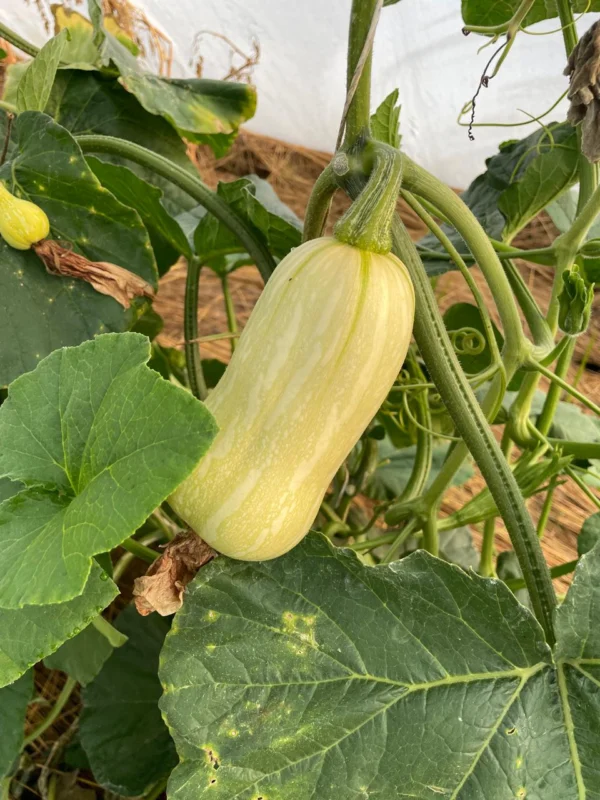
All vegetable scraps, trimmings, and plant material return to the compost pile—becoming food for next season’s crops.
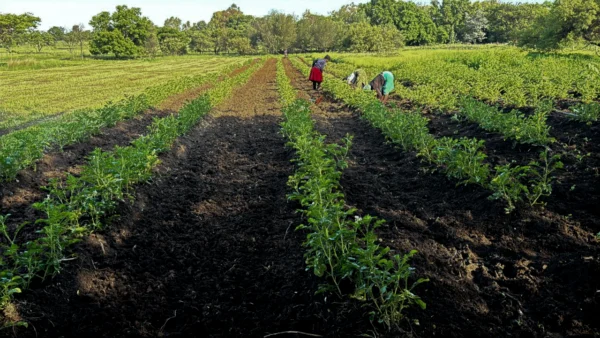
✔ Mulching Fields with Plant Residue
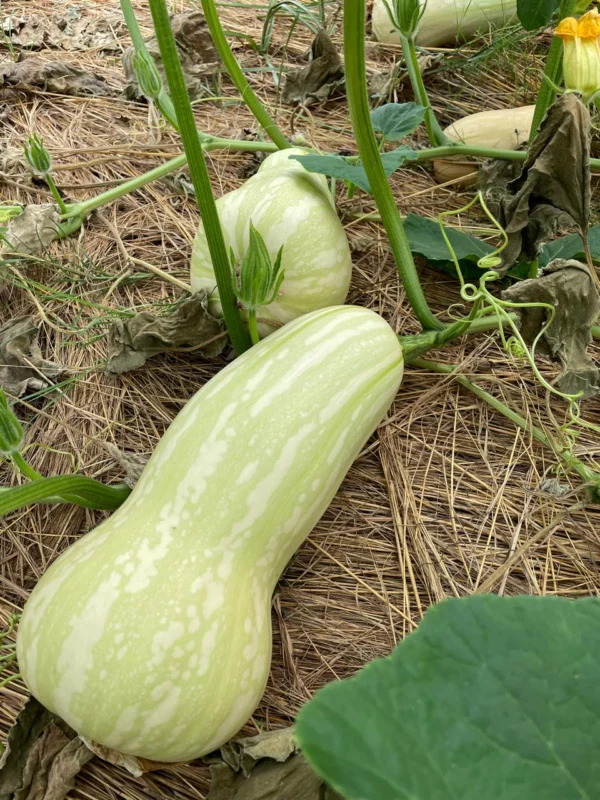
Instead of burning organic matter, we use it to protect soil and lock in moisture.
✔ Natural Fertility from Nature
We build soil with:
- Compost
- Green manure
- Crop rotation
- Cover crops
- Leaf litter
✔ Using Water Wisely
Captured rainwater and drip irrigation ensure minimal waste.
✔ Supporting Beneficial Insects
No chemicals—just biodiversity doing its job.
This approach keeps our farm healthier, more sustainable, and more climate-resilient year after year.
🌾 Benefits You Can Taste
When you choose produce grown on a closed-loop farm, you support:
- Truly sustainable agriculture
- Richer soil and stronger ecosystems
- Lower carbon footprints
- Fresh, nutrient-dense vegetables
- Farming practices that protect the future
And best of all?
You’ll taste the difference.
🌱 Closing the Loop, Growing the Future
Closed-loop farming isn’t just a method—it’s a commitment to caring for the land, respecting natural cycles, and producing food that nourishes people and the planet.
By supporting farms that follow these principles, you become part of a movement that protects soil, reduces waste, and inspires future generations to grow food sustainably.