Fresh. Authentic. Naturally Grown.
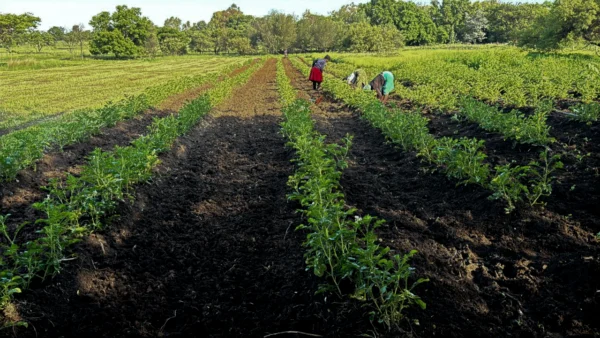
At our organic farm, we believe food should be as nature intended—nutritious, flavourful, and grown with care. That’s why we proudly cultivate heirloom vegetables: old-world varieties with a richness you can taste and a history you can feel in every bite.
Whether you’re new to heirloom produce or already love its charm, here’s why these special vegetables deserve a place on your table.
🍅 What Exactly Are Heirloom Vegetables?
Heirloom vegetables are traditional plant varieties that have been passed down for generations, usually for 50 years or more.
They are:
- Open-pollinated (not hybrid or engineered)
- Grown from seeds that stay true year after year
- Cherished for their unique flavours, colours, and stories
Each heirloom seed carries a legacy of families, farmers, and natural cultivation practices that honour the earth.
🌈 Why Our Customers Love Heirloom Produce
1. Unmatched Flavour
Heirloom vegetables are known for their old-fashioned, full-bodied taste.
Think:
- Juicy tomatoes bursting with sweetness
- Carrots with real earthy depth
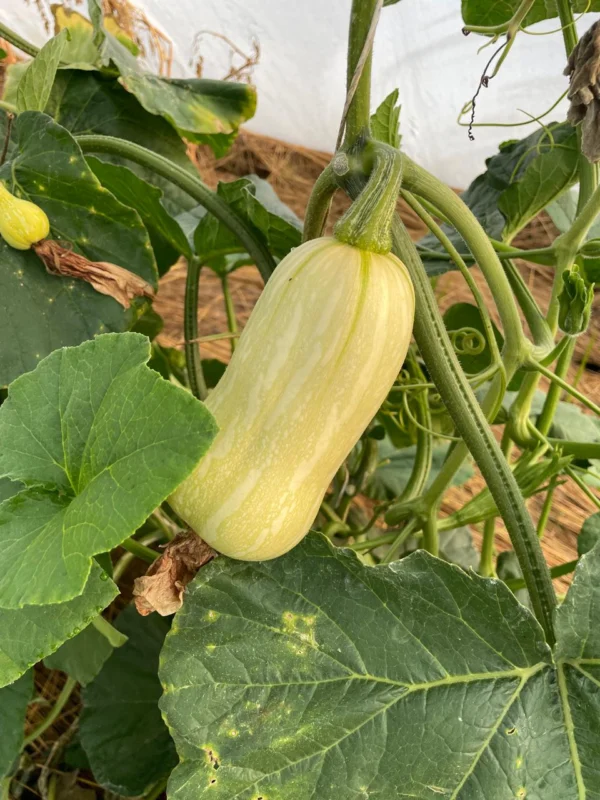
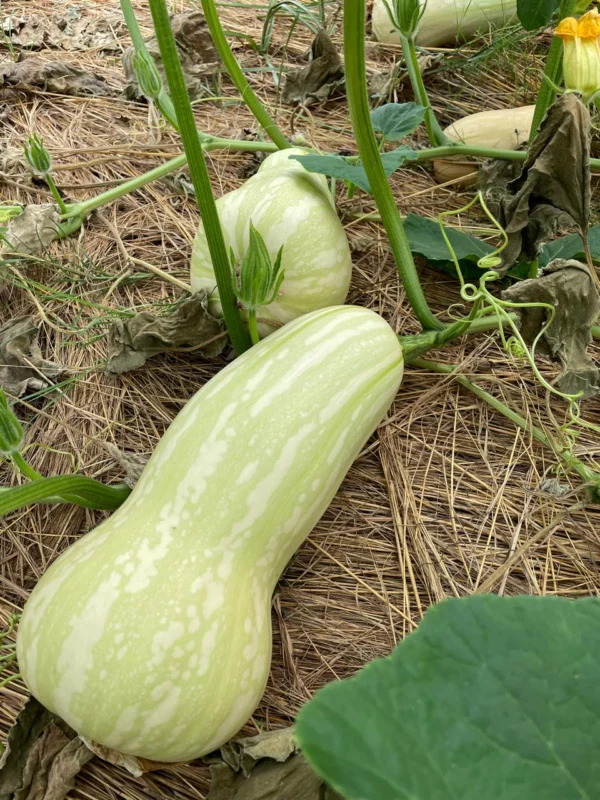
- Pumpkins with rich, creamy flesh
These vegetables were preserved through time because people loved how they tasted.
2. Naturally Diverse & Beautiful
You’ll find:
- Purple carrots
- Striped tomatoes
- Warty pumpkins
- Yellow cucumbers
Their natural quirks make every harvest vibrant and exciting—proof that food doesn’t have to look uniform to be delicious.
3. Better for the Planet
Heirlooms promote:
- Seed diversity (protecting rare plant genetics)
- Sustainable farming
- Reduced dependence on chemicals
By choosing heirloom vegetables, you help preserve biodiversity and support eco-friendly agriculture.
4. Free From Laboratory Alteration
Heirlooms are grown the traditional way—without genetic modification or artificial breeding.
They simply grow as nature designed.
🌱 Heirlooms vs. Modern Hybrids: What’s the Difference?
| Heirloom | Hybrid | |
|---|---|---|
| Origin | Traditional, passed down for decades | Crossed in controlled breeding |
| Seeds | Can be saved and replanted | Don’t grow true to type |
| Flavour | Rich, authentic | Often mild |
| Appearance | Naturally varied | Uniform and standardised |
Heirlooms are the heritage produce of the world, and once you taste them, you’ll understand why they’re making a comeback.
🥕 A Few Customer Favourites
- Brandywine Tomatoes – Juicy, sweet, and famously flavourful
- Chioggia Beets – Beautiful red and white rings
- Lemon Cucumbers – Crisp, round, and refreshing
- Purple Dragon Carrots – Vibrant and nutritious
- Romanesco Zucchini – Tender with a nutty twist
Each variety tells its own story—and we love bringing those stories to your table.
🌾 Why We Grow Heirloom Vegetables
As an organic farm, we choose heirlooms for the same reasons our customers love them:
- They thrive naturally
- They honour sustainable farming traditions
- They make healthier soils and healthier people
- Their flavour is second to none
Growing heirlooms isn’t just farming—it’s stewardship of history, soil, and flavour.
🍃 Taste Tradition. Choose Heirloom.
When you buy heirloom vegetables from our farm, you’re not just choosing produce—you’re choosing:
- Authentic flavour
- Sustainable agriculture
- Living plant heritage
Join us in keeping these beautiful varieties alive, one meal at a time.