How Organic Farming Supports Healthier Soil, Cleaner Food, and a Greener Future
In a world facing climate change, soil degradation, and growing concern about pesticide use, more people are turning to organic foods as a healthier and more responsible choice. But organic produce is more than just “chemical-free” — it represents a deeper commitment to sustainability and long-term environmental health.
Here’s how choosing organic supports a cleaner, greener future for everyone.
🌱 What Makes Organic Food Sustainable?
Organic foods come from farming systems that follow strict principles:
- No synthetic pesticides
- No artificial fertilisers
- No genetically modified organisms (GMOs)
- Prioritising soil health
- Protecting biodiversity
- Supporting natural ecological balance
This approach means that each harvest is produced without harming the environment or exhausting natural resources.
Organic farming focuses on working with nature, not against it — and the result is a healthier farm ecosystem that can thrive for generations.
🌿 1. Organic Farming Protects Soil Health
Healthy soil is the foundation of sustainable agriculture.
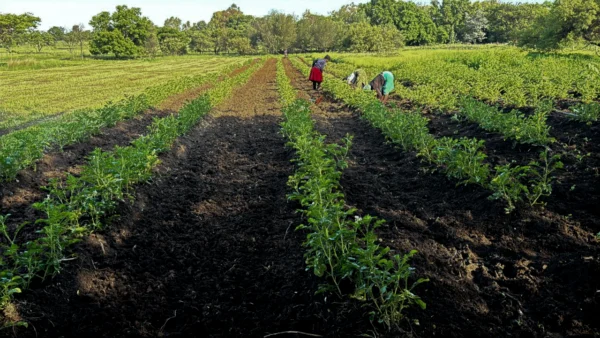
Organic farmers build soil naturally using:
- Compost
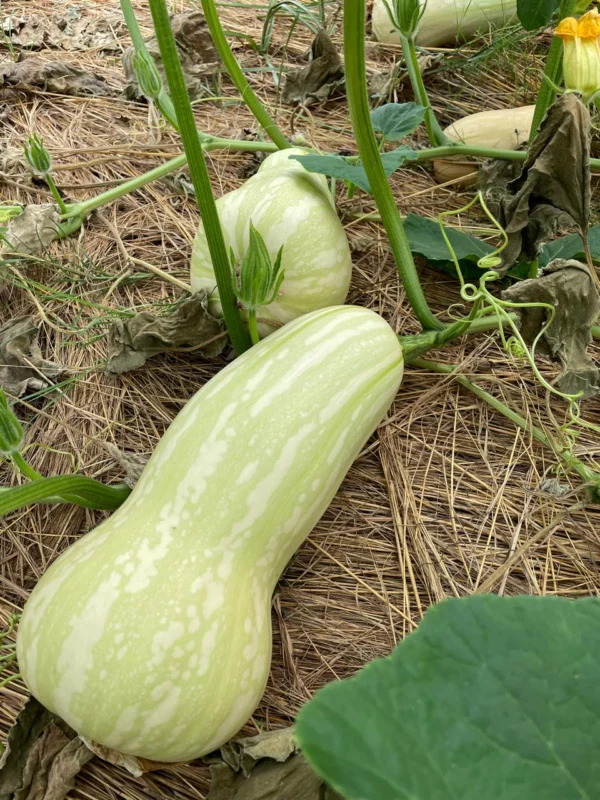
- Mulch
- Green manure
- Crop rotation
- Cover crops
These practices restore the soil’s structure, prevent erosion, and increase microbial life. Healthy soil:
- Stores more carbon
- Holds more water
- Supports stronger plant growth
- Requires fewer inputs
When soil is alive, the entire farm becomes more resilient.
🐝 2. Organic Farms Support Biodiversity
Conventional agriculture often relies on monocrops and chemical sprays that harm:
- Pollinators
- Soil organisms
- Birds
- Insects
- Small mammals
Organic farms avoid these threats and instead create environments where life flourishes.
You’ll typically find:
- More bees and pollinators
- More beneficial insects
- Healthier plants
- Greater genetic diversity
This biodiversity strengthens the ecosystem and protects crops naturally.
💧 3. Organic Farming Uses Water More Responsibly
Healthy, organic soil holds water like a sponge, helping farms:
- Use less irrigation
- Reduce runoff
- Minimise contamination of streams and rivers
Because organic farms avoid harmful chemicals, they also help keep local water systems clean and safe.
🍃 4. Organic Foods Reduce Chemical Exposure
Sustainability isn’t just environmental — it’s personal.
Organic foods are grown without synthetic pesticides or fertilisers, reducing chemical exposure for:
- Farmers
- Families
- Communities
- Local wildlife
- The environment
Cleaner food means healthier people and healthier landscapes.
🌎 5. Organic Farming Supports Climate Resilience
Organic agriculture helps combat climate change in several ways:
- Carbon sequestration: Healthy soil stores carbon, reducing greenhouse gases.
- Reduced fossil fuel use: No synthetic fertilisers (which require massive energy to produce).
- Stronger ecosystems: More biodiversity means greater resistance to droughts, floods, and heat waves.
Organic farms are often more adaptable to climate challenges because they rely on natural resilience rather than chemical intervention.
🥕 6. Organic Produce Often Contains More Nutrients
Because organic farms focus on soil quality and natural growth cycles, their produce often contains:
- Higher levels of antioxidants
- More vitamins
- Better flavour
- Stronger nutrient density
When the soil is healthy, the food is healthy — and so are we.
🧡 7. Organic Choices Support Ethical, Local Agriculture
Sustainable organic farming benefits more than the environment.
It also supports:
- Fair labour practices
- Local food systems
- Small-scale farmers
- Community well-being
- Reduced transport emissions
Buying organic is an investment in your local community and in farming families who prioritise responsible, regenerative growing practices.
🌾 Why Sustainability Matters for Future Generations
Organic farming isn’t just a trend — it’s a promise to future generations.
By supporting sustainable, organic food systems, we:
- Protect the soil
- Reduce pollution
- Improve biodiversity
- Reduce climate impact
- Promote healthier lifestyles
Every organic purchase is a vote for a cleaner, more vibrant planet.
🌱 Choosing Organic Is Choosing the Future
Sustainability isn’t just about farming differently — it’s about living more intentionally.
When you choose organic, you support:
- Responsible agriculture
- Healthier soils
- Cleaner water
- Happier ecosystems
- Stronger local communities
- Nutrient-rich, flavourful produce
It’s one of the most powerful ways to make a positive impact—one meal at a time.